
Latest Firm News
4/3/26
The Haunted EU-Mercosur Agreement: Recent Developments
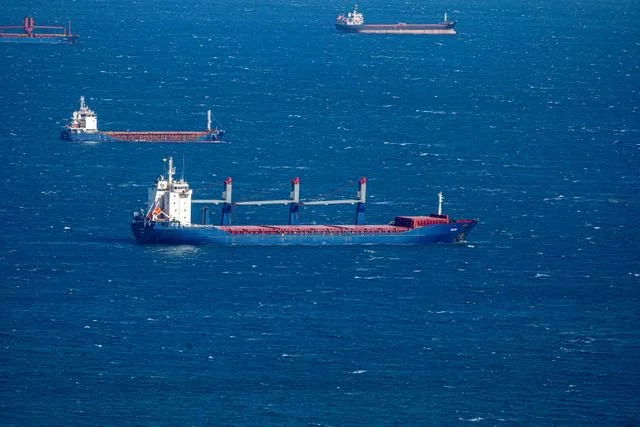
The EU-Mercosur trade agreement has been decades in the making — but its path to ratification remains anything but straightforward.
In the latest ASIL Insights, Dr. Dimitrios Dimitrakos examines the most recent developments surrounding the agreement, which was signed in January 2026 and now faces a critical review by the EU's highest court. The European Parliament has requested an opinion from the Court of Justice of the EU on whether the deal is compatible with EU Treaties — a step that could significantly delay or reshape its future.
At the heart of the debate: fears over unfair competition for European farmers, stark regulatory gaps in food safety and agricultural standards between the EU and Mercosur nations, and the question of whether new safeguard mechanisms go far enough to protect European markets.
4/11/25
The ITLOS Advisory Opinion on Climate Change: A Brief Review
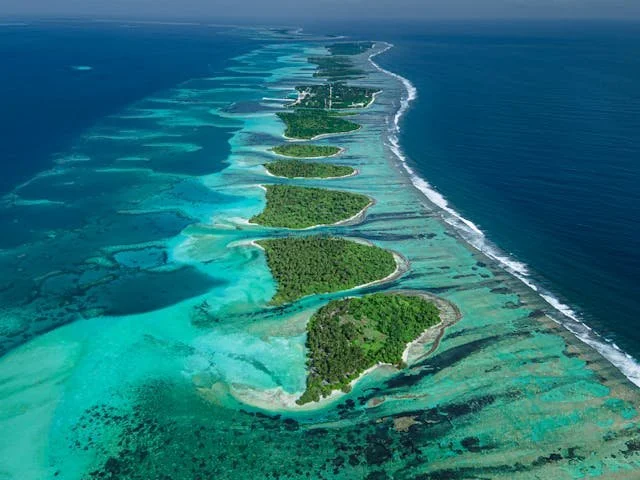
What does international law actually require of states when it comes to climate change? A landmark ruling is starting to answer that question.
In the latest ASIL Insights, experts examine the International Tribunal for the Law of the Sea's landmark advisory opinion on climate change — a historic ruling that spells out specific legal obligations for states under the UN Convention on the Law of the Sea. At the heart of the opinion: are nations merely required to try to limit climate harm, or must they actually achieve results? The answer has significant implications for how countries are held accountable under international law.
12/19/18
Greece’s Ratification Procedure of the Final Settlement Agreement Between Greece and FYROM
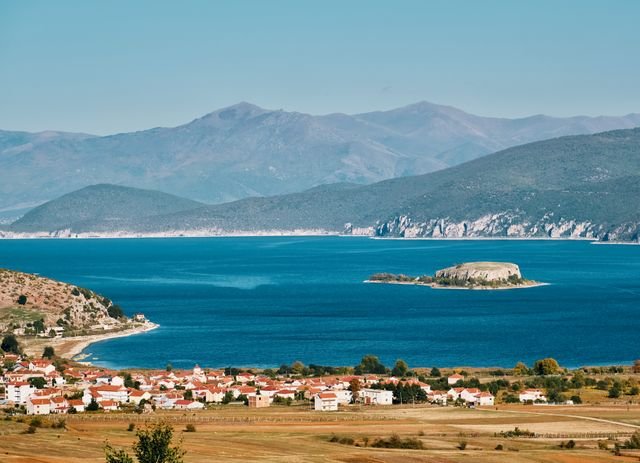
A landmark agreement. A name dispute decades in the making. And a ratification clause that could unravel it all.
In this ASIL Insights piece, Dr. Dimitrios Dimitrakos examines a critical — and potentially deliberate — ambiguity buried in the 2018 agreement that finally resolved the long-running naming dispute between Greece and the Former Yugoslav Republic of Macedonia. While the deal gave FYROM a new official name — the Republic of North Macedonia, Greece's own ratification obligations were written in strikingly vague terms. Does Greece need parliamentary approval? A presidential decree? Or could it be pressured to ratify by other means entirely?
The stakes are high: a parliamentary "no" vote could trigger diplomatic fallout, domestic political instability, and damage to Greece's international reputation, all hinging on the meaning of a single word.